
How Feminine Game Design Evolved: The True Story of Pink Games

Feminine game design has always been treated a little unfairly. People see pink, glitter, fashion, pets, makeup, or cute rooms and immediately act like the game must be shallow, as if explosions are automatically deep because they arrive with smoke and shouting.
The truth is more interesting. Pink games were not just about color. They were about fantasy, identity, creativity, friendship, care, decoration, and control over a tiny little world. That might sound soft, but soft does not mean simple. Sometimes choosing the perfect outfit for a digital character takes more emotional strategy than surviving a boss fight.
Early games were boxed in
For a long time, games aimed at girls were designed through a very narrow window. The thinking was basically, “Add pink, add shopping, add sparkles, done.” Developers and marketers often confused feminine design with decoration only, which gave players a lot of cute games but not always enough depth.
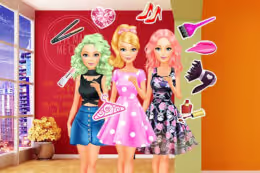
Still, even those early games mattered. Dress up games, salon games, pet care games, cooking games, and room decoration games gave many players their first taste of interactive creativity. They were easy to enter, low pressure, and personal. You were not saving the universe. You were picking curtains, fixing hair, raising a puppy, or building a vibe, and honestly, that was valid.
The browser era changed things
The internet made feminine games explode. Suddenly, players could open a browser and find thousands of tiny colorful games waiting for them. Some were silly. Some were oddly addictive. Some looked like they had been made in one intense afternoon by someone powered entirely by strawberry milk.
But the browser era also gave feminine game design room to breathe. Players could experiment with style, personality, stories, and choices without needing a console or a big gaming setup. These games became part of everyday online culture. They lived beside homework, music playlists, chat rooms, and the very serious business of customizing everything.
Mobile made softness profitable
Then mobile gaming arrived and quietly proved something important. Casual, stylish, cozy, and emotionally satisfying games were not a small side category. They were massive. Suddenly, the same design ideas people once dismissed started showing up everywhere. Fashion games became bigger. Home design games became slicker. Life sims, merge games, makeover stories, farming games, and relationship based games found huge audiences. The feminine touch was no longer just a pink background.
Modern feminine games are smarter
Today, feminine game design is much broader. It can be pastel or gothic, cute or elegant, chaotic or calm. It can include romance, business, mystery, puzzles, fashion, farming, interior design, survival, or storytelling. The old idea that feminine games must fit into one glittery box is starting to look very tired. Modern players also want more choice. They want characters with personality, stories with bite, customization that feels meaningful, and gameplay that respects their time. A pretty game still has to be a good game.
The truth is taste evolved
The real story of pink games is not that they were silly and then suddenly became serious. It is that people finally started taking their appeal seriously. These games understood mood, self expression, and comfort long before the rest of the industry started calling those things “cozy design.” Feminine game design evolved because players kept showing up. They clicked, dressed, decorated, matched, cooked, cared, and built little digital lives with full commitment.