How Dress-Up Games Helped Players Explore Identity Before Social Media
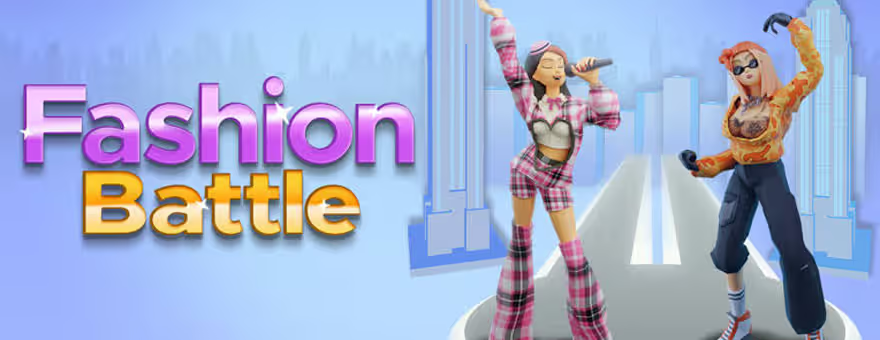
Before everyone had profile pictures, aesthetic boards, outfit posts, and carefully chosen usernames, dress up games were already letting players test who they wanted to be. Quietly. Weirdly. With glitter tops, dramatic boots, fairy wings, school uniforms, vampire dresses, and hairstyles that no real parent would approve before dinner.
These games looked simple from the outside. Pick clothes. Change hair. Add accessories. Done. But players were doing more than decorating a digital doll. They were trying on moods. Cool, soft, rebellious, elegant, chaotic, rich aunt, mysterious forest girl, pop star with emotional luggage. The screen was small, but the imagination was doing expensive work.
Trying on versions of yourself
Dress up games gave players a safe place to experiment. You could create a version of yourself that looked nothing like you, or exactly like the secret version you wished people could see. No awkward comments. No school hallway judgment. No one asking why you suddenly dressed like the lead singer of a band that does not exist.
That mattered. Identity is not always discovered in one grand moment. Sometimes it is built through tiny choices. A hairstyle. A color. A style you keep returning to without knowing why. Dress up games let players explore those choices without consequences, which made them feel strangely personal.
Fashion became a language
Clothes in these games were not just clothes. They were little personality buttons. A leather jacket said something different from a pastel dress. Big sunglasses changed the whole attitude. One necklace could turn a normal outfit into a suspiciously confident entrance.
Players learned visual storytelling without calling it that. They understood that style could create a character before anyone said a word. This was identity play in its most casual form. No lecture. No deep announcement. Just a player deciding that today their character was a royal mermaid detective, and honestly, the outfit supported the claim.
There was no audience pressure
The biggest difference from social media was the lack of performance. You could make the ugliest outfit ever assembled by human hands and nobody had to know. You could restart. Change everything. Save nothing. Pretend it never happened. That freedom made experimentation easier. Social media often turns identity into a presentation. Dress up games kept it private. The fun came from the act of choosing, not from likes or approval. The player was both stylist and audience, which is a rare kind of peace.
The games understood fantasy
A lot of old dress up games were wonderfully unrealistic. They did not care about budgets, body types, weather, laundry, or whether those shoes would destroy your feet in twelve minutes. They gave players fantasy first, and practicality was not invited. That was part of the charm. Players could build lives they did not have yet. A celebrity look. A wedding look. A fantasy princess look. A city girl look. A magical creature look. Even when the games were silly, they opened a door into possibility. You could borrow a whole personality for five minutes and see how it felt.
The legacy is everywhere
Modern avatars, character creators, filters, skins, profile customization, and fashion games all carry some of that same spirit. Today, identity play is everywhere online, but dress up games helped teach players the basics long before social media made everything public. They showed that style could be playful, emotional, dramatic, private, and personal all at once. They gave players a mirror that did not demand realism. Just curiosity. And for many people, that little digital closet was the first place they realized they could invent themselves more than once.